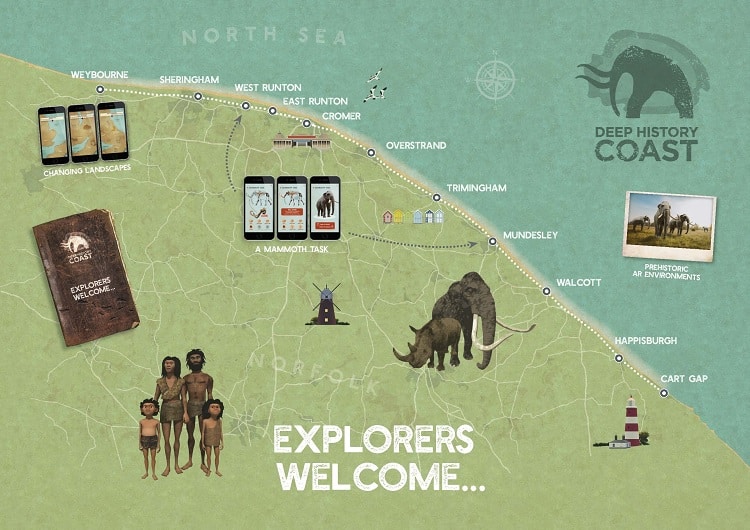
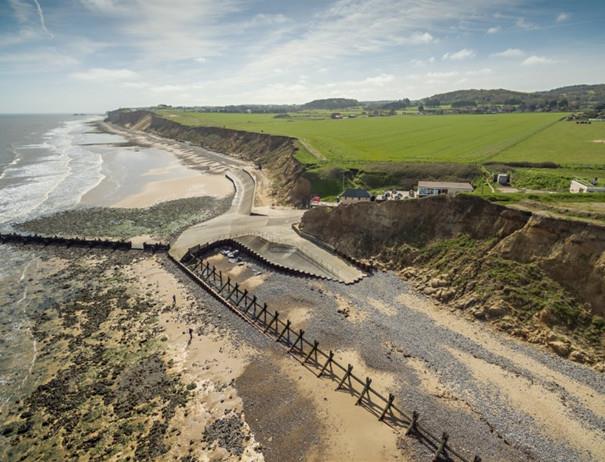
The term “Deep History” is used as the replacement for “pre-history”; to reflect the fact that often, the deeper you dig in archaeology, the older things get. Norfolk’s council have been putting money forth for multiple programs to instill interest in Norfolk’s wonderful coastline, such as the emplacement of a discovery trail between Weybourne and Cart Gap, or the development of a Deep History Coast app so anyone who wants to can see what Doggerland would have been like through the eyes of an early hominid family and you can watch as the latest augmented technology bring reality back to life.
There are ten App-led walks along the 36km of coastline from Weybourne to Cart Gap where you will find eleven Discovery Points. At each of the Discovery Points you can trigger the app via the Hominin icon and see early man and his family in their natural environment as they interact with you and become your very own tour guide. At key viewing points, the App will transform the current landscape into 360 degree views of Doggerland and each walk will give visitors the chance to ‘collect’ virtual treasurers along the route which are stamped into their own collectors’ journal. Don’t forget to take a selfie with our augmented reality animals and share it on social media via the app or directly to #DeepHistoryCoast.
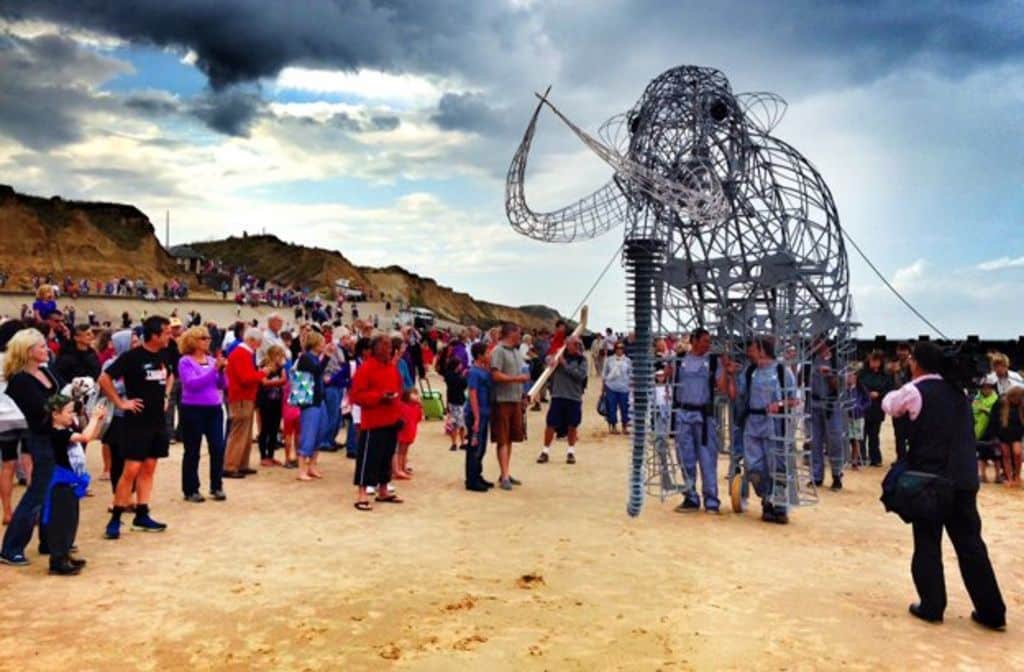
Young explorers will be able to take part in the mammoth puzzle game, where they have to recreate a mammoth skeleton. An easy fossil identification element will help identify fossils and artefacts that can be found on the beaches. Today, I’ll be going over the amazing finds on this stretch of coast.
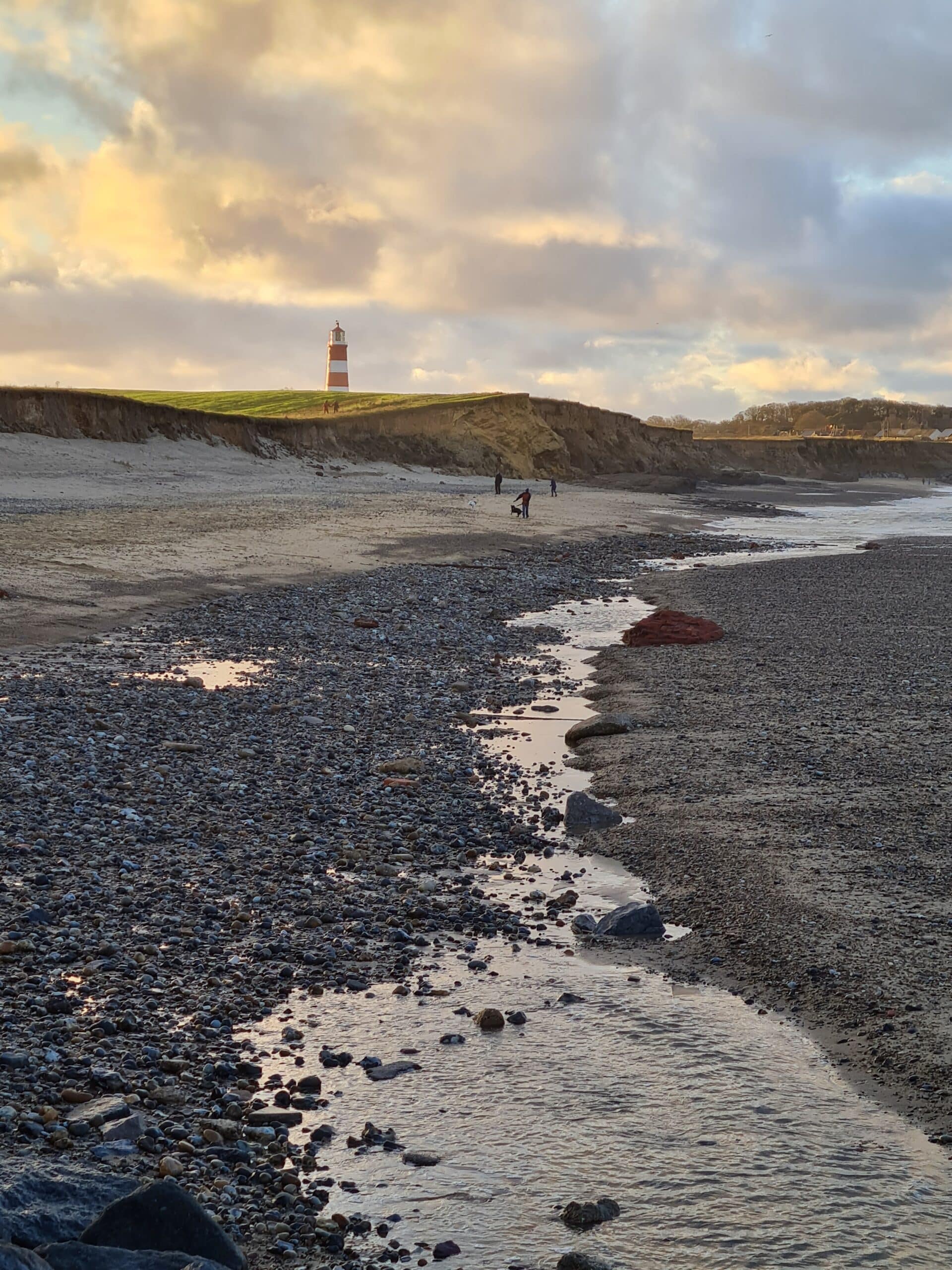
The Deep History Coast is a 22 mile stretch of coast which is jam packed with the history of England and Norfolk. Using the artefacts and preserved history found on this coast, we have been able to ascertain that humans have been in Norfolk for the better part of 850,000 years. Bones, footprints and aged tools are among those key finds in the documentation of England’s history, and every find seems to increase in monumentality.
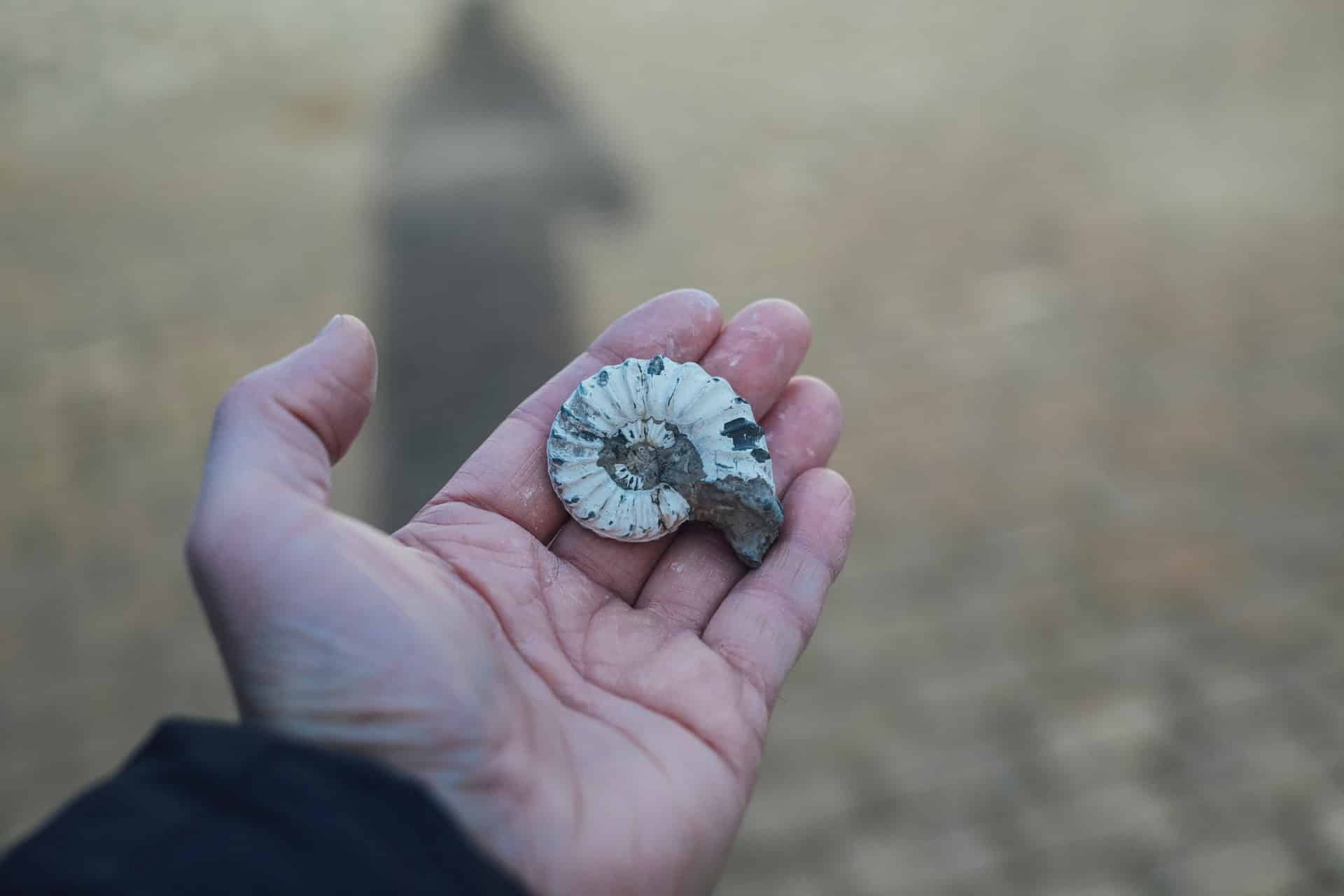
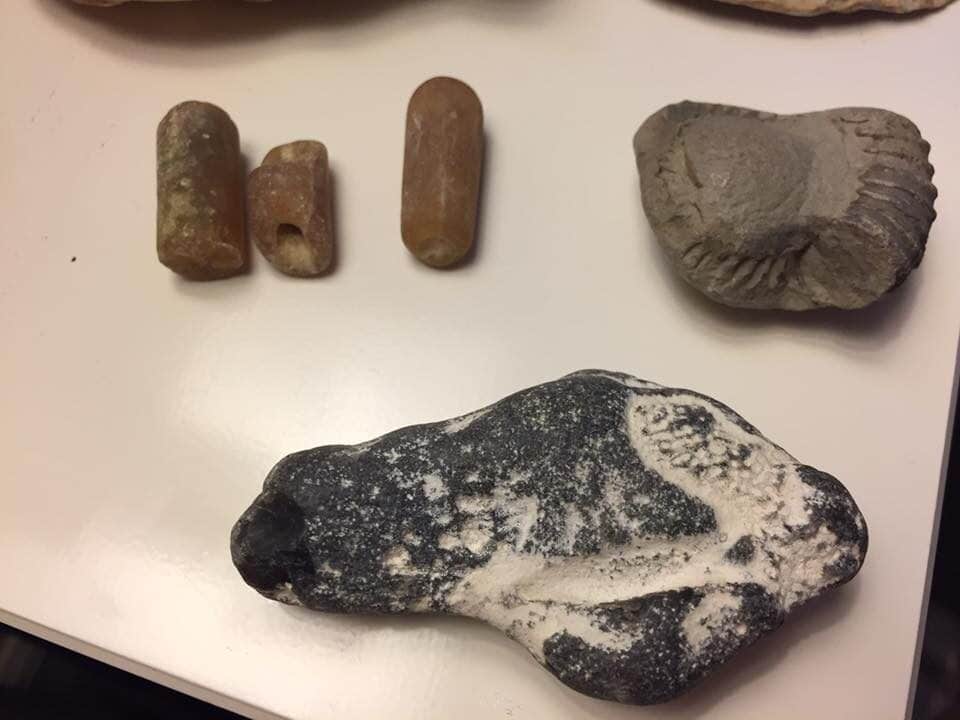
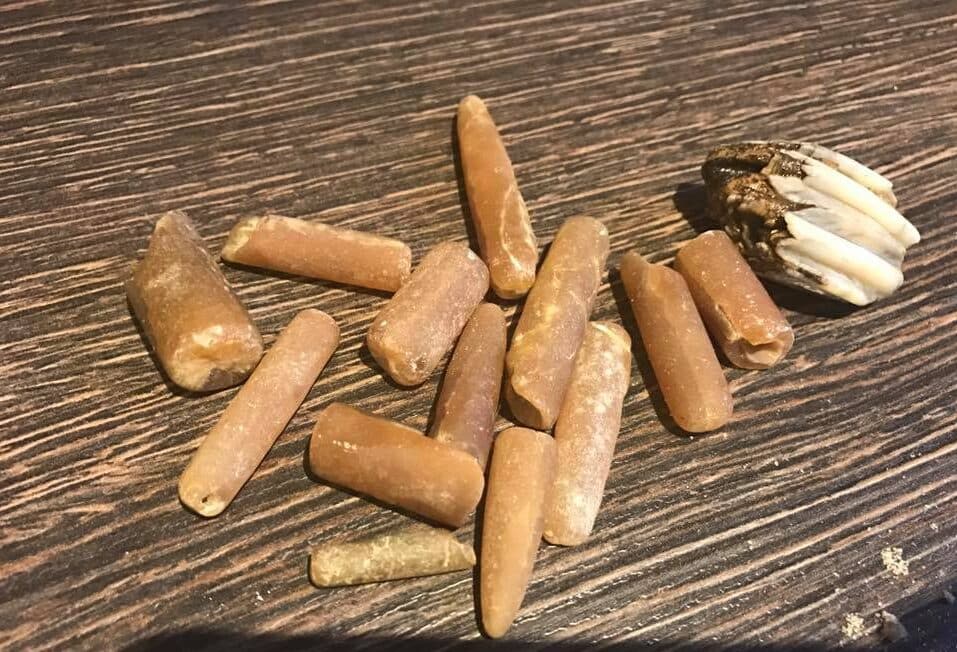
Above are some examples of rare finds from our coast, belonging to Karen and her Daughter. The first picture is an ammonite fossil, the middle is an ammonite fossil from Happisburgh, that isn’t preserved in the local stone which means it’s probably a glacial erratic (brought south by glaciers) most likely from Jurassic Yorkshire. The dark flint in the middle picture has some sea sponge impressions on it and the long thin ones are belemnites. The last picture is of yet more Belemnites – about 101 million years old , and a Bison priscus tooth around 700,000 years old!
Belemnites lived during the periods of Earth history known as the Jurassic and Cretaceous; together, these represent a time interval of about 135 million years. The Jurassic Period began about 201 million years ago, and the Cretaceous ended about 66 million years ago. The belemnites became extinct at the end of the Cretaceous Period, at roughly the same time as the dinosaurs disappeared. However, we know a lot about them because they are commonly found as fossils, formed when the remains of traces of the animal became buried in sediment that later solidified into rock
In recent history, footprints dating back 850,000 years were discovered at Happisburgh, lain down by the first visitors to Norfolk. Belonging to nomads who once hunted for deer, bison, rhinos and mammoths, these footprints became the oldest evidence of humans outside Africa’s so called Great Rift Valley.
In 1986, a team of Tanzanian and American archaeologists found 302 bones belonging to a human female, whose remains were roughly 1.8 million years old. The footprints at Happisburgh were uncovered in 2013, purely by chance, after a team of scientists were performing a geophysics survey, after the exceedingly high seas of 2013 had eroded the shore, revealing estuary mud (where the footprints were found).
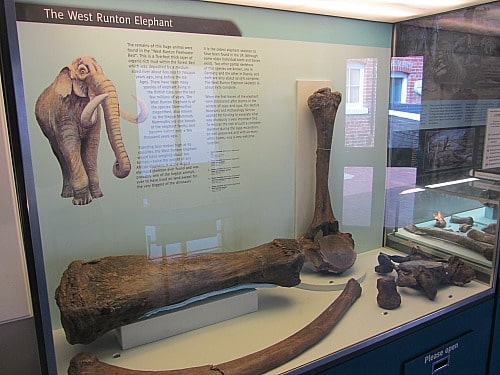
The majority of the skeleton was there, roughly 85%, and the missing parts were chomped off by scavenging hyaenas as displayed by hyaena teeth marks and fossilised hyaena dung… lovely. The skeleton is 4 metres tall at the shoulder and weighs an astounding 10 tonnes, making it twice as large as similar discoveries on the Jurassic Coast. You can visit some of the remains in Cromer Museum and Norwich Castle Museum. Across the West Runton Freshwater Bed, teeth and bones believed to belong to a rhino were found; bones and teeth which are said to be 700,000 years old.
Because of these marvelous archaeological finds, tourism is rife along the Norfolk coast, and holiday homes are aplenty. If you’re ever eager to fossil hunt, consider some of our properties along this coast for your next holiday, such as the stunning Vale Cottage in Bacton. Do not let the word “cottage” dishearten you about the size, this property is spacious and filled with natural light. Sleeping a maximum of eight, with 2 and a half bathrooms, nearby beach and room for two of your furry friends, this property could certainly be a brilliant holiday away.
However, we do not just have good archaeology around this coast, we also have some brilliant towns, such as Cromer, soon to contain our next property, available to book next year… contact us for more info.